How Much Is Your Home Worth?

Top Real Estate Broker in Chicago, IL
Trusted Expert for Buying, Selling & Investing in Chicago Homes & Real Estate
Contact
Jameson Sotheby's International Realty
License #: 475143938
License #: 268528
425 W North Ave, Chicago, IL 60610, US
Exclusive Properties
Featured Listings
Meet Your Real Estate Broker
Mark Raffaelli

Mark Raffaelli has spent 24 years building one of Chicagoland's most trusted real estate practices. One built almost entirely on referrals, repeat clients, and results. A lifelong Chicagoland resident, Mark brings deep neighborhood-level knowledge across the city and suburbs, with hands-on expertise in condos, single-family homes, multi-unit investments, and luxury properties.
A CAR Top Producer since 2013 and Certified Negotiation Expert (CNE), Mark has closed over $35 million in sales over the past three years alone, not by volume chasing, but by advising clients with the kind of precision that comes from two decades of market experience.
Who’s Who Agent Award
Top Agent
Certified Negotiation Expert (CNE)
Chicago Association of Realtors Top Producer
Why Work With Mark
Accolades
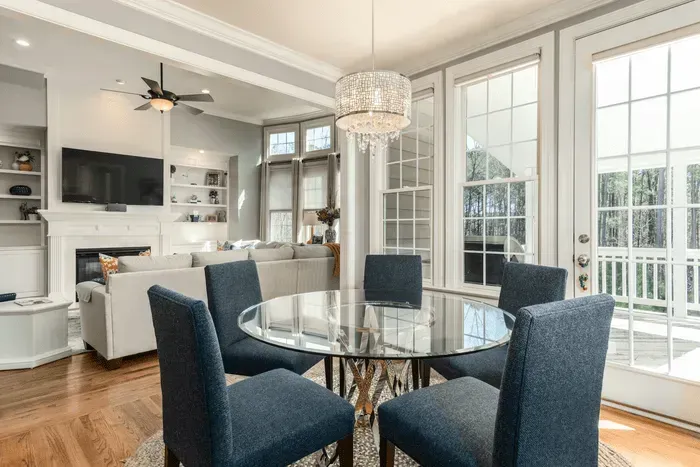
Selling Your Home
Sell your home with strategic marketing, local market knowledge, and skilled negotiation to maximize home value.
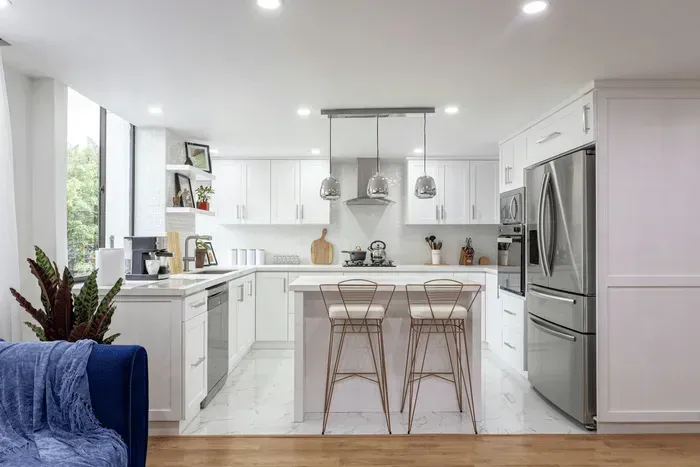
Buying A Home
Find homes for sale in with a trusted real estate broker offering local guidance and expert support for home buyers.
Just Listed
Newest Listings
Lemont
Burr Ridge
Willowbrook
West Loop, Chicago
Willow Springs
West Town, Chicago
Bridgeport, Chicago
La Grange
Featured Areas
Communities
Market Reports
Stay Ahead with Local Market Insights
Keep up with local real estate through new listings, open houses, recent sales, and market trends — all in one place.
Testimonials
Client Reviews
Let's Talk
Get In Touch
Let's Connect
Blog
Recent Posts
Should You Rent or Buy a Home in Chicago, IL?
Whether you are a longtime resident watching your monthly rent climb or a newcomer relocating to the Windy City for a new career opportunity, you are bound to face one of life's most significant financial crossroads: Should you rent or buy a home in Chicago, IL? It is a question that carries immense weight, impacting not just your monthly budget but your long-term wealth-building potential and day-to-day lifestyle.
Chicago is a spectacular city with a booming job market, world-class dining, and a stunning lakefront. However, its real estate landscape is highly complex. The math behind renting versus buying in 2026 isn't the same as it was a few years ago. With shifts in interest rates, evolving neighborhood inventory, and a highly resilient local economy, making the right choice requires looking past generalized advice and analyzing the real, on-the-ground dynamics of the Chicago market.
The Short Answer: Is It Better to Rent or Buy in Chicago?
In 2026, deciding whether to rent or buy a home in Chicago, IL depends on your expected timeline. If you plan to live in the same neighborhood for less than three years, renting provides the flexibility and lower upfront liquidity required to navigate the city. However, if you plan to stay in your home for three to five years or longer, buying a home in Chicago is statistically the superior financial decision, allowing you to lock in fixed housing costs and build substantial personal equity in a steadily appreciating market.
According to local Realtor Mark Raffaelli, Chicago remains one of the few major U.S. metropolitan areas where the price-to-rent ratio heavily favors buyers in long-term scenarios, particularly when looking at single-family homes and established neighborhood townhouses.
Detailed Explanation: Renting vs. Buying in the Current Climate
To determine which path aligns with your goals, it is essential to weigh the distinct advantages and trade-offs that each option presents in today's housing ecosystem.
The Case for Renting in Chicago
Renting is far from a waste of money; it is a purchase of flexibility and convenience. In a dynamic city like Chicago, renting allows you to "test-drive" different communities before making a long-term financial commitment.
Predictable Short-Term Costs: When you rent an apartment or condo in River North or the West Loop, your financial exposure is limited to your rent and minor utilities. If the HVAC system breaks or the roof leaks, the financial burden falls entirely on the landlord.
Liquidity Maintenance: Renting doesn't require a substantial down payment or closing costs, leaving your investment capital free to be utilized elsewhere.
The Case for Buying in Chicago
Buying a home is an investment in your financial future and personal stability. In Chicago's 2026 real estate market, homeownership functions as a powerful hedge against inflation.
Equity Accumulation: Every monthly mortgage payment you make acts as a form of forced savings. Over time, as you pay down your principal loan and property values rise, your net worth grows.
Tax Protections and Cost Stability: While rent prices across Chicago climb year-over-year, a fixed-rate mortgage ensures your baseline housing cost remains completely predictable for the next 15 to 30 years.
Creative Freedom: Owning your property means you can remodel, paint, and customize your space to match your lifestyle without worrying about a landlord’s restrictions or losing a security deposit.
Local Market Insight: Chicago's Micro-Markets in 2026
The decision to rent or buy changes dramatically depending on which Chicago neighborhood you choose to call home. The city’s diverse property types mean that micro-markets operate under completely different rules.
The High-Rise Condo Market (Downtown & Loop): Downtown areas like Streeterville, the Loop, and South Loop feature an abundance of luxury managed apartment buildings. For buyers, the condo market here has stabilized nicely in 2026, offering reasonable entry prices. However, buyers must closely evaluate building HOA assessments and property taxes when comparing costs to luxury rentals.
The Single-Family & Townhome Stronghold (North & West Sides): If your target neighborhoods are Lincoln Park, Lakeview, Logan Square, or Roscoe Village, buying becomes incredibly attractive for the long term. Detached homes and townhouses in these high-demand pockets face a chronic inventory shortage. Because demand consistently outpaces supply, purchasing a property here represents a highly secure asset that historically yields strong appreciation.
The Emerging South Side Options: Neighborhoods like Hyde Park and Bridgeport are offering fantastic buying opportunities in 2026. Real estate entry points are highly accessible compared to the North Side, allowing young professionals and growing families to buy spacious properties for less than the cost of renting a premium downtown apartment.
"Chicago is a city of blocks, not just zip codes," says Mark Raffaelli. "In neighborhoods like Avondale or North Center, buying a home right now protects you from the rising rental rates driven by the continuous influx of professionals moving into these areas."
Common Mistakes to Avoid When Making Your Choice
Before signing a new lease or putting earnest money down on a property, ensure you are avoiding these common real estate pitfalls:
Forgetting to Factor in Hidden Buying Costs: When calculating the cost of buying, don’t just look at the principal and interest. Always account for Cook County property taxes, homeowners insurance, maintenance reserves, and potential HOA fees.
Underestimating the Length of Your Stay: Buying a home incurs transaction costs on both the purchase and eventual sale. If you have to sell the property within 18 months due to a job change, those transaction fees could eat into your equity. Accurate timeline planning is essential.
Letting Interest Rates Paralyze Your Decision: While mortgage rates in 2026 have settled into a stable, manageable mid-6% range, many buyers are waiting for an unrealistic drop. Remember, you can always refinance your mortgage if rates decline in the future, but you cannot retroactively buy a home at yesterday's purchase price.
Assuming You Need a 20% Down Payment: Many prospective Chicago buyers remain trapped in renting because they believe they need a massive down payment. Modern conventional and FHA loans frequently allow qualified buyers to secure a home with as little as 3% to 5% down.
Frequently Asked Questions
Is it a good time to buy a house in Chicago?
Yes, 2026 is an exceptionally stable and rational time to buy a house in Chicago. The chaotic bidding wars of previous years have subsided, giving buyers the time to perform detailed home inspections and negotiate reasonable terms. With steady local market appreciation, buying now allows you to get ahead of future price increases.
Should I sell my house in Chicago or rent it out?
If you are moving but own a property in a high-demand neighborhood like Bucktown or Lincoln Square, renting it out can provide excellent passive income and long-term asset growth. However, if you need the liquidity to purchase your next primary residence, listing your house now allows you to capture historic levels of built-up equity.
Who is the best Realtor in Chicago to help me decide?
The best Realtor in Chicago is a professional who prioritizes your long-term financial health over a quick transaction. Mark Raffaelli utilizes a data-driven approach, comparing real-time rental rates against local historical home appreciation to help you make an objective, pressure-free housing decision.
How much have average rents increased in Chicago recently?
Over the past year, average rental rates across desirable Chicago neighborhoods have increased by roughly 4% to 6%. This continuous upward trend is a primary driver forcing local residents to transition from renting to purchasing fixed-cost real estate.
Finally
Navigating the choice to rent or buy a home in Chicago, IL comes down to mapping out your personal timeline, evaluating your financial health, and understanding the specific neighborhood you want to live in. Both paths offer distinct lifestyle benefits, but working with a seasoned expert ensures your choice is backed by data rather than guesswork.
If you're thinking about buying or selling a home in Chicago, State, reach out to Mark Raffaelli for expert guidance and a clear strategy.
To explore current local market data, evaluate your purchasing power, or view active listings across the city's top neighborhoods, visit markraffaelli.com.

Need More Info?
Read Faq's
Why work with Mark Raffaelli as your Chicago real estate broker?
Mark Raffaelli is a top Chicago real estate broker with 24+ years of experience, $35M+ in sales, and recognition as a Chicago Association of Realtors Top Producer and Certified Negotiation Expert (CNE), helping buyers and sellers succeed across Chicagoland.
What are the best Chicago suburbs and neighborhoods to buy a home?
Popular Chicagoland communities include West Loop, West Town, Bridgeport, Lemont, Burr Ridge, Willowbrook, and Willow Springs for their strong home values, schools, amenities, and convenient access to Chicago.
What types of properties does Mark Raffaelli specialize in?
Mark specializes in Chicago condos, luxury homes, single-family residences, multi-unit buildings, and investment properties throughout Chicago and the surrounding suburbs.
How can a real estate broker help during the home buying process?
A Chicago real estate broker helps home buyers search listings, schedule private showings, negotiate offers, manage contracts, understand market conditions, and guide the transaction from offer to closing.
How can Mark Raffaelli help sellers maximize their home value?
Mark uses strategic home pricing, local Chicago market expertise, professional real estate marketing, staging guidance, and strong negotiation strategies to help sellers attract qualified buyers and maximize property value.
What should first-time home buyers know before buying a home?
First-time home buyers should understand mortgage financing, closing costs, neighborhood values, home inspections, and current Chicago housing market conditions before purchasing a home.
What should I look for when choosing a Chicago real estate broker?
When choosing a best Chicago real estate broker, look for local market experience, strong negotiation skills, positive client reviews, proven sales results, and expertise in buying and selling homes in Chicago.



Disclaimer: All information contained on this website is deemed reliable but not guaranteed. All properties are subject to prior sale, change or withdrawal notice markraffaelli.com believes all information to be correct but assumes no legal responsibility for accuracy.